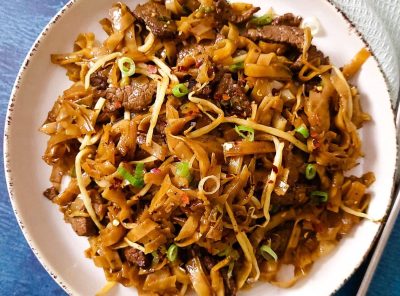
Beef Udon Noodle Stir Fry With Five Spice and Honey Glaze

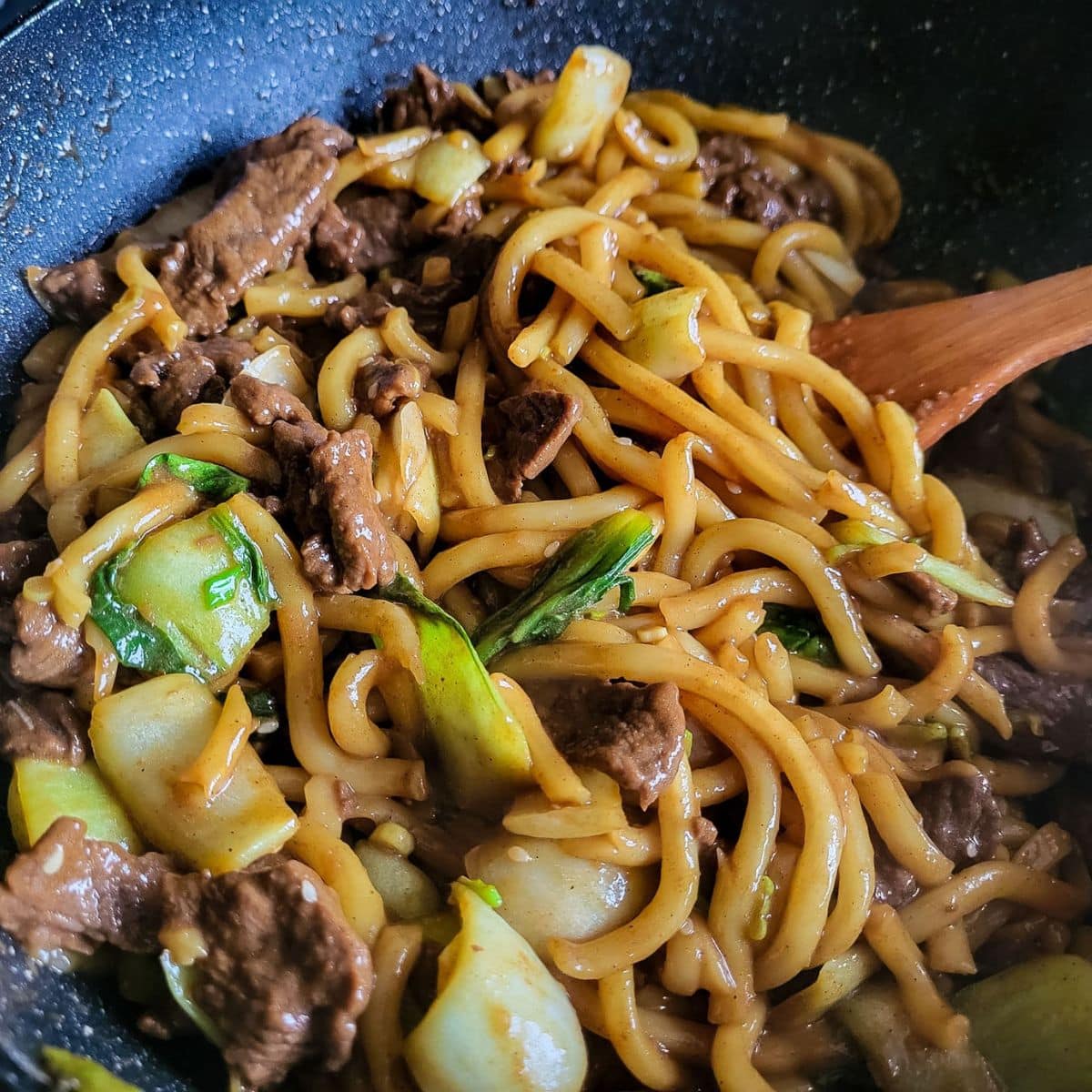
Tender, marinated beef, thick udon noodles, and pak choi tossed in a five-spice and honey-soy glaze. One wok, 30 minutes, and a stir-fry that beats any takeout version hands down.
This post may contain affiliate links. Please check our disclosure policy.
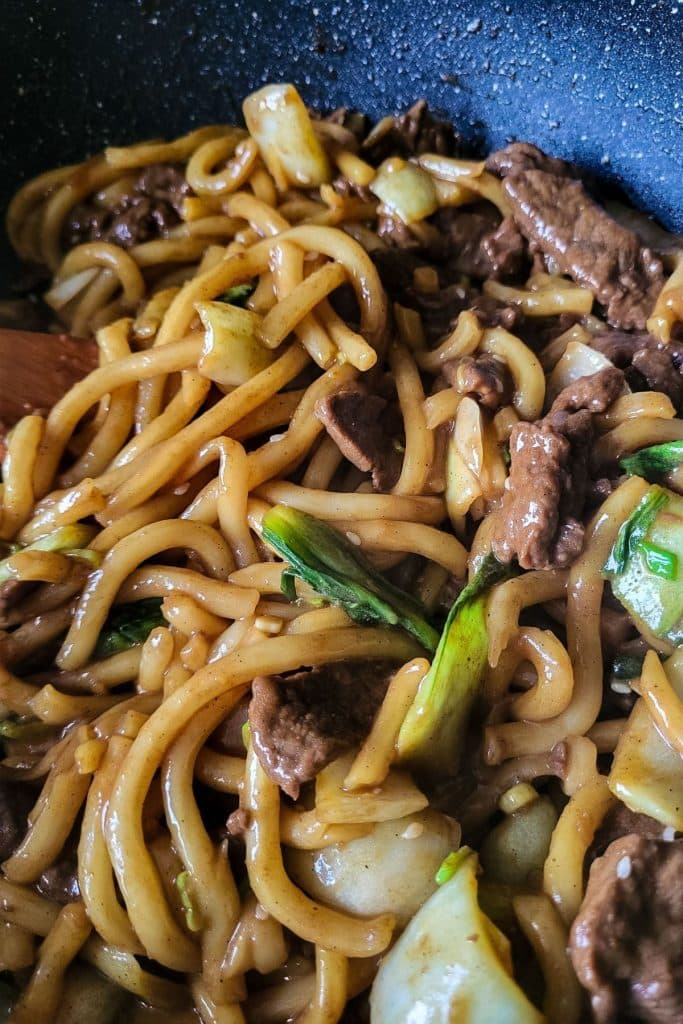
Beef Udon Noodle Stir Fry
My wok gets more use on weeknights than any other pan in my kitchen, because I find making stir-fry-style meals is quick and ideal when I don’t have much time. And making stir-fry noodles is even better, as I can throw everything we need into a meal. From the carbs, protein, and veggies.
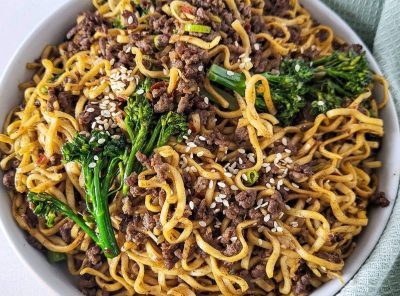
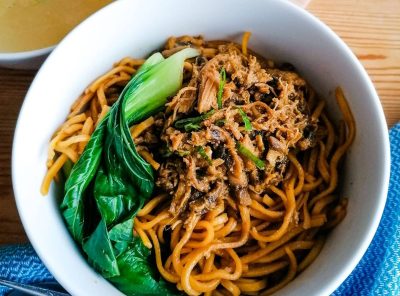
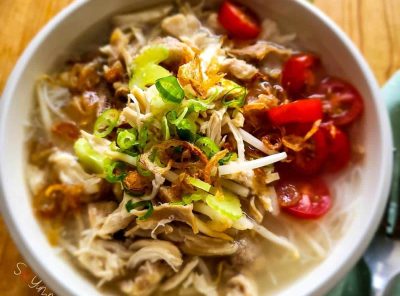
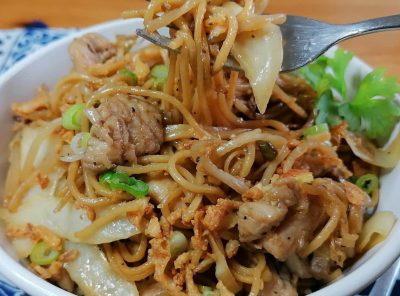
Ground beef noodle stir-fry, Chinese beef ho fun, or Indonesian mie goreng are some of the menu examples I like making. And this beef udon noodle stir fry is another favorite in my household.
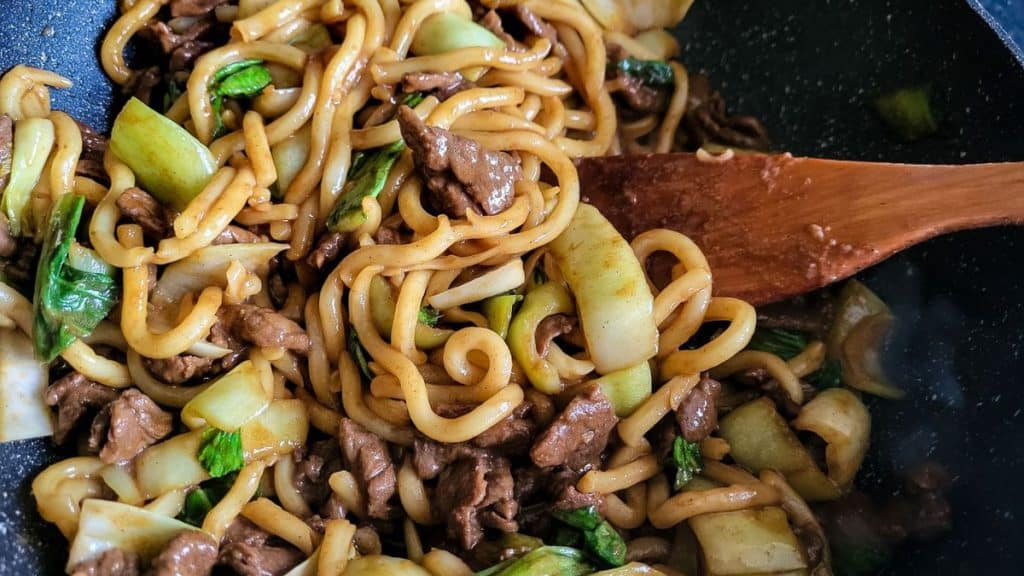
This udon recipe is a stir-fry built around fresh udon — thick, chewy Japanese wheat noodles that hold up to high-heat cooking and absorb sauce exceptionally well. The marinade for the beef does the heavy lifting here. Garlic, Chinese five-spice, a spoonful of ketchup, soy sauce, honey, and a pinch of cayenne — nothing exotic, just pantry staples that build real depth of flavor.
The trick I always use when handling meat is to pierce it with a skewer before it goes into the marinade. It sounds fussy, but it’s a five-second step that lets the flavor punch through the meat instead of just coating the surface. Skip it, and you’ll taste the difference. Trust me, I tested it. When I skipped this, my boys could tell, and they complained that the dish tasted off.
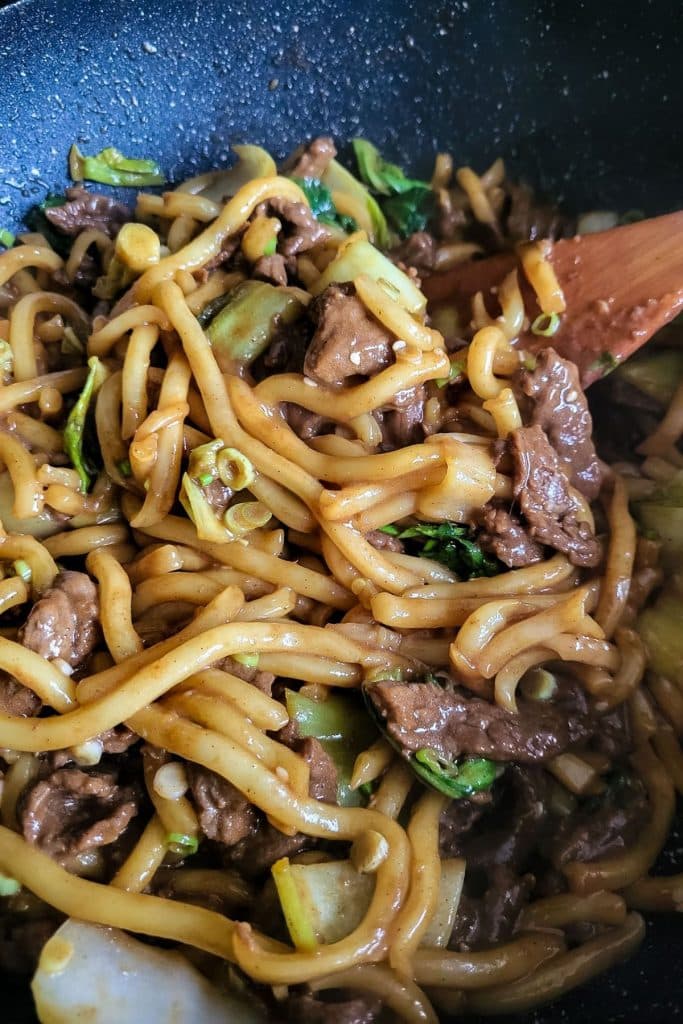
Once you’ve done the marinating and are ready to cook, everything is fast. High heat, beef seared in batches so it browns instead of steams, pak choi wilted just enough to keep its bite, then fresh udon folded through until every noodle is coated in that glossy, sticky glaze of spiced sauce.
I’ve often thrown this beef udon noodle stir fry together on a random weeknight with zero plan. No shopping list, just what was in the fridge, and had it on the table faster than it takes to decide what to watch afterward. That’s the whole point of this recipe. It’s not trying to impress anyone. It just works, every time, with minimal cleanup and maximum flavor.
Why You’ll Love This Recipe
- It’s faster than waiting for delivery. By the time a takeout order shows up at your door, you could have this on the table — and you’ll know exactly what went into it.
- One wok, one clean-up. Beef, vegetables, and noodles all cook in sequence in the same pan. No juggling three pots, no pile of dishes waiting for you after dinner.
- The marinade does double duty. You’re not making a sauce and a marinade separately. Marinate the beef, then cook it down in the wok; the resulting glaze coats everything. Less prep, less mess, same big flavor.
- It tastes as if you spent way longer on it than you did. Thirty minutes gets you caramelized beef, a sticky, aromatic glaze, and noodles that taste properly seasoned. The kind of result that usually takes much more effort.
- It’s forgiving on a busy night. Twenty minutes of marinating, a hot pan, and you’re done. You don’t need to plan ahead or babysit anything while it simmers for hours.
- It costs a fraction of the restaurant version. Same quality result, better ingredients, and you control exactly how much beef, spice, and sauce go in. No guessing what’s actually in your order.
Ingredients You Need
- 7 oz / 200g beef fillet, cut into small slices
- 2 nests fresh udon noodles (approximately 14 oz / 400g)
- 1 tablespoon garlic paste
- 1 teaspoon Chinese five-spice powder
- 1 teaspoon cayenne pepper powder
- 2 tablespoons tomato ketchup
- 2 tablespoons Kikkoman soy sauce
- 1 tablespoon clear honey
- 2 pak choi, sliced into 1-inch pieces
- 2 scallions (spring onions), sliced
- 1 teaspoon sesame seeds (optional)
- 2 tablespoons groundnut oil
How to Make Beef Udon Noodle Stir Fry
- Marinate the beef by placing the sliced beef in a mixing bowl. Add the garlic paste, five-spice powder, cayenne pepper, ketchup, soy sauce, and honey. Stir well to coat every piece. Pierce the beef slices all over with a skewer — this helps the marinade absorb into the meat. Leave to marinate for at least 20 minutes.
- Sear the beef by heating the groundnut oil in a wok or large frying pan over high heat until smoking. Add the marinated beef and stir-fry at high heat until every piece is browned and caramelized on the outside.
- Add the pak choi and stir-fry with the beef for about 2 minutes until slightly softened but still with some bite.
- Add the udon noodles and carefully fold everything together, making sure the noodles are evenly coated in the sauce and heated through. Take care not to break the noodles — use tongs or two wooden spoons and work gently. Continue stir-frying until the udon is tender and glossy with sauce.
- Finish and serve your beef udon noodle stir fry by scattering the sliced spring onions and sesame seeds over the top. Toss gently and serve immediately, with extra sesame seeds on the side if preferred.
Top Tips
- Slice the beef as thinly as possible. Thin slices cook in seconds at high heat and stay tender. Thick pieces take longer and risk becoming tough before the outside is properly browned. Partially freezing the beef for 20 minutes before slicing makes it much easier to cut cleanly and thinly.
- Get the wok properly smoking before the beef goes in. A hot wok is non-negotiable for a good stir-fry. If the surface isn’t hot enough when the beef hits the pan, it steams rather than sears, and you lose the caramelization that gives the dish its depth.
- Don’t overcrowd the wok. If the beef slices are piled on top of each other, they’ll steam rather than sear. If your wok is on the smaller side, cook the beef in two batches and combine everything when the vegetables and noodles go in.
- Use tongs for the udon. Fresh udon is soft and breaks easily if stirred roughly with a spoon. Tongs let you lift and fold the noodles gently through the sauce without tearing them apart.
- Add a splash of water if the sauce gets too thick. As the noodles cook, they absorb sauce quickly, and the wok can dry out. A tablespoon or two of water loosens everything without significantly diluting the flavor.
- Make it saucier: Double the marinade quantities and reserve half before marinating the beef. Add the reserved sauce to the wok with the noodles for a wetter, more generously sauced stir-fry.
- Serve immediately. Udon noodles keep absorbing sauce off the heat. The dish is at its best the moment it comes out of the wok.
Substitutes and Variations
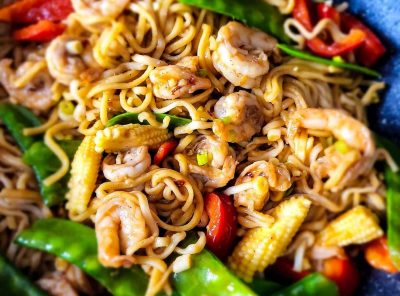
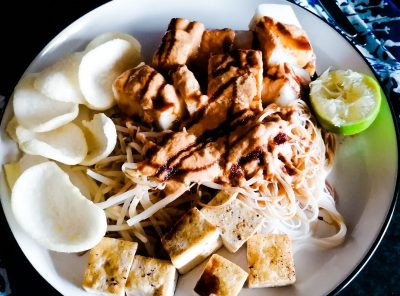
- Beef alternatives: Chicken breast or thigh sliced thinly works with the same marinade and method. Prawns cook even faster — add them after the pak choi and cook for only 2–3 minutes. Firm tofu, pressed and sliced, is a solid vegetarian option that absorbs the marinade well.
- Noodle alternatives: Thick dried egg noodles, ramen noodles, or soba all work. Cook separately according to packet instructions before adding to the wok.
- Five-spice alternatives: If you don’t have five-spice, a mix of ground cinnamon, star anise, and a pinch of cloves approximates it. The flavor won’t be identical but will give the same warm, aromatic base note.
- Add more vegetables: Sliced mushrooms, baby corn, red bell pepper, or bean sprouts all work well added to the wok with the pak choi. Or, you can use them instead of pak choi.
Storage Matter
Refrigerator: Store leftovers in an airtight container for up to 2 days. Reheat in a wok or pan over medium heat with a splash of water or soy sauce to loosen the noodles. Avoid the microwave if possible because it makes udon gummy and uneven.
Freezer: Not recommended. Fresh udon noodles do not freeze well once cooked; the texture becomes mushy on thawing. If you want to freeze components, freeze only the marinated raw beef, and cook everything fresh when ready.
What to Serve With
- Gyoza, wonton or potstickers — pan-fried dumplings alongside make this a more substantial spread and keep the Japanese-inspired theme going.
- Miso soup — a small bowl on the side adds warmth and rounds out the meal without competing with the flavors in the stir-fry.
- Steamed edamame with sea salt — simple, fast, and works as a starter or side without any effort.
- Pickled ginger or cucumber — the acidity cuts through the sweet-savory glaze and refreshes the palate between bites of rich, saucy noodles.
- Extra chili oil on the table — for anyone who wants more heat than the cayenne already provides. A good chili oil with crispy bits is particularly good drizzled over the finished bowl.
Common Questions Answered
What cut of beef works best for udon stir fry?
Fillet is used here for its tenderness — it cooks quickly at high heat without toughening up. Sirloin and ribeye also work well. For a more budget-friendly option, flank or skirt steak, sliced thinly against the grain, works well. Avoid stewing cuts — they need long, slow cooking to become tender and will be chewy in a stir-fry.
Can I use dried udon noodles instead of fresh?
Yes. Cook the dried udon according to the packet instructions, then drain and add to the wok the same way. Dried udon tends to be slightly firmer than fresh — a splash of water added to the wok as you stir-fry helps loosen everything and encourages the sauce to coat the noodles evenly.
What can I use instead of pak choi?
Choi sum and Chinese cabbage are the closest alternatives and work directly. Regular cabbage, shredded, also works well. Tenderstem broccoli, baby spinach, or sugar snap peas are good options if you’re working with what’s already in the fridge.
Can I substitute the groundnut oil?
Yes. Any neutral, high-smoke-point oil works — vegetable, sunflower, or rapeseed oil. Avoid olive oil for high-heat stir-frying, as it has a lower smoke point and its flavor doesn’t suit this dish.
Beef Udon Noodles Recipe
Ingredients
- 7 ounces beef fillets, cut into small slices
- 2 nests fresh udon approximately 14 ounces
- 1 tablespoon garlic paste
- 1 teaspoon Chinese five-spice powder
- 1 teaspoon cayenne pepper powder
- 2 tablespoons tomato ketchup
- 2 tablespoons Kikkoman soy sauce
- 1 tablespoon clear honey
- 2 pak choi sliced into an inch thick
- 2 scallions spring onions, sliced
- 1 teaspoon sesame seeds optional
- 2 tablespoons groundnut oil
Instructions
- Place the sliced beef in a mixing bowl.
- Add one tablespoon of garlic paste, one teaspoon of Chinese five-spice powder, one teaspoon of cayenne pepper powder, two tablespoons of tomato ketchup, two tablespoons of Kikkoman soy sauce, and one tablespoon of clear honey to the meat. Stir well, then pierce the meat all over with a skewer (this little trick helps the meat absorb the spices and develop flavor). Leave it to marinate for at least 20 minutes.
- Once the meat is ready, heat the oil in a wok or a large frying pan. Then fry the meat at high heat until every piece is brown.
- Stir the pak choi into the meat and continue cooking for about 2 minutes, until the pak choi is slightly softened.
- Then add the udon. Carefully mix everything well. Take care not to break the noodles. Continue stir-frying until the udon is tender and well coated with the sauce.
- Add the chopped scallions and sesame seeds. Gently mix and serve with more sesame seeds if preferred.
Notes
- You can use dried thick noodles if you prefer. Just prepare them and pre-boil them according to the packet instructions.
- Instead of pak choi, you can also use choi sum or Chinese cabbage. You only need about 7-8 ounces (200-250 grams) of veggies for this recipe.
- Slice the beef as thinly as possible. You can partially freeze the meat before slicing to make it easier to cut thinly. Thick pieces take longer and risk becoming tough before the outside is properly browned.
- Use tongs for the udon. Tongs let you lift and fold the noodles gently through the sauce without tearing them apart.
Nutrition

Devy founded So Yummy Recipes to share her love of food after exploring various cultures and cuisines for more than two decades. Her mission is to help others easily recreate traditional and non-traditional food with readily available ingredients. Her works have been featured in Reader’s Digest, Al Jazeera, MSN, Yahoo, Bon Appétit, and more.